Season Archive
The 25/26 Autopsy: A Half-Billion Pound Facelift and the Collapse of an Identity
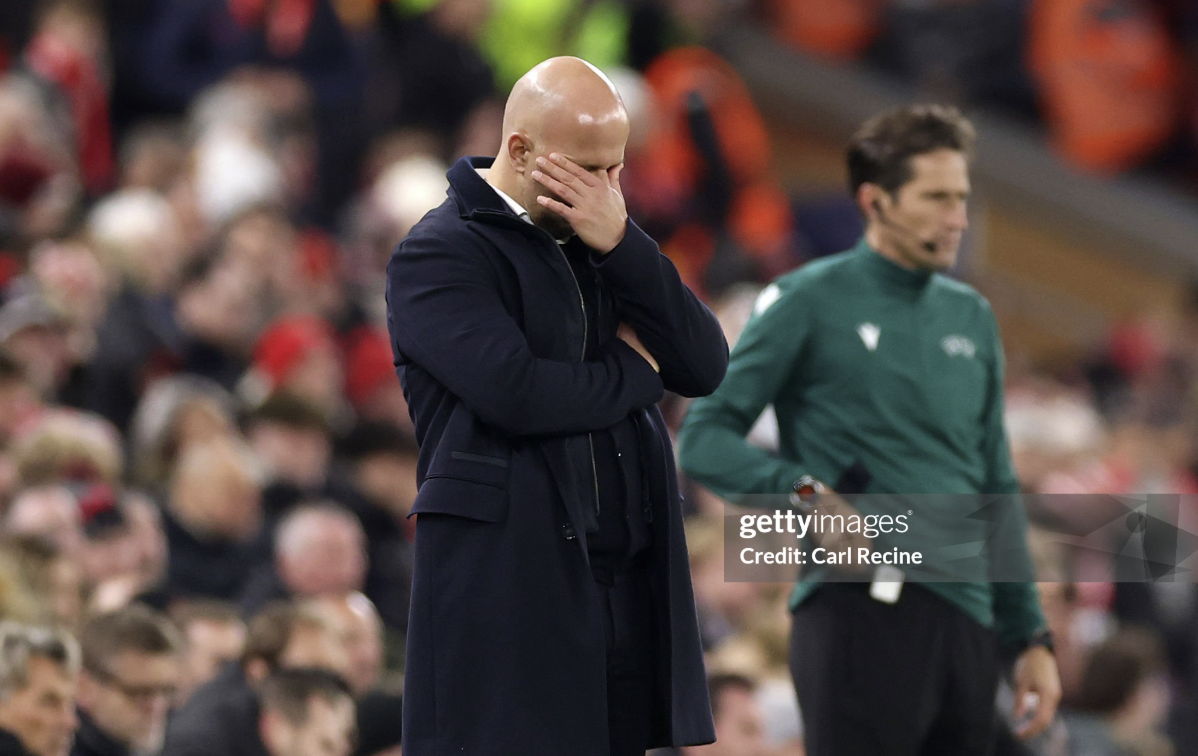
The 25/26 season was the complete opposite of what Liverpool fans, and football fans in general, expected it to be. After the Reds secured their historic 20th league title, the expectations were sky-high, especially when they went on to spend nearly half a billion pounds. It was a staggering sum of money, yes, but at the time, it looked like a clinical investment in elite-level talent.
The Half-Billion Pound Facelift
Liverpool managed to break the English transfer-fee record twice in a single window by signing two of the best players in the world: Alexander Isak, the Swedish forward, for £125 million, and Florian Wirtz, the German starboy, for £116 million. To build for the future, the arrivals also included Hugo Ekitike, Milos Kerkez, Jeremie Frimpong, and Giovanni Leoni. On paper, it looked like a cheat code. Crucially, this massive club spend—especially on heavy-hitting attackers like Isak and Wirtz—was less about short-term hype and more of a direct preparation for what comes after Mohamed Salah’s time at Liverpool in terms of overall goals and assists. The hierarchy knew they needed to replace irreplaceable numbers.
However, that aggressive transfer window also resulted in a brutal clearing out of the old guard. Many described that summer as a major squad revamp, and we now know exactly why it was so drastic: Arne Slot wanted to fully implement his own distinct ideas and tactics. In his first season in charge, the club famously only signed Federico Chiesa, which meant Slot was essentially working with Jurgen Klopp’s team for an entire year. This window was his opportunity to finally break away from the past, but it resulted in the departures of several key players from the title-winning side. Losing Trent Alexander-Arnold, Luis Diaz, Darwin Nunez, Harvey Elliott, Kostas Tsimikas, Jarell Quansah, and Caoimhin Kelleher all at once didn’t just rip out the squad’s depth; it tore away its core identity.
Shadowed by Tragedy
Compounding that massive structural turnover was a profound tragedy that shook the entire club to its core—the heartbreaking passing of Diogo Jota in July. Losing him didn’t just create an immense tactical and finishing void on the pitch; it left the team and the fanbase carrying an incredibly heavy emotional weight before a single competitive ball was even kicked.
Between the mass departures and dealing with such a devastating real-life loss, it felt less like a standard rebuild and more like open-heart surgery on a winning team.
Papering Over the Cracks
Despite this massive overhaul and emotional trauma, Liverpool actually started the season well in terms of raw results, even if the actual performances were deeply concerning. They won their first five matches on the bounce, including a massive victory against a direct rival in Arsenal. But while Liverpool secured all three points in each of those five games, the performances were a glaring warning sign for both the fans and the team. There was no cohesive system; nearly all of those wins came from moments of individual brilliance or desperate, last-minute winners papering over the cracks.
Inevitably, Liverpool’s run of fortunate victories came to an end away at Crystal Palace, where they lost 2-1. Shockingly, this was already the second time they had been outsmarted by Oliver Glasner’s side, having already lost to them in the Community Shield. That defeat broke the team’s fragile confidence, and Liverpool went on to lose four consecutive matches in a devastating slump: three in the league against Crystal Palace, Chelsea, and Manchester United, and a demoralizing night in the Champions League against Galatasaray.
There was a brief moment of relief when Liverpool managed to beat Frankfurt in the Champions League, but the tactical flaws remained unaddressed, and they soon returned to losing ways—falling to Brentford in the league and suffering another embarrassing defeat to Crystal Palace, this time knocking them out of the League Cup.
From there, Liverpool were faced with a brutal run of fixtures. Against the odds, they managed to beat Aston Villa in the league and put on a show to defeat Real Madrid in the Champions League. After those two massive results, the fanbase understandably began to build some momentum and hope. But that fragile optimism was completely crushed in the weeks that followed by a 3-0 humbling against Manchester City, a shocking 3-0 home defeat to Nottingham Forest, and a heavy 4-1 home loss to PSV that exposed just how far the defensive structure had collapsed.
The 13-Game Illusion
At that point, the general feeling across the fanbase was that a managerial change had become completely necessary. Even after that low point, Slot and certain sections of the media liked to point out that Liverpool went on a “13 matches unbeaten” run to steady the ship. But when you look closely at that run, the stats completely lie. It included six frustrating draws, four of them coming against newly promoted teams where Liverpool looked completely devoid of ideas. It also featured a very shaky, unconvincing win against a nine-man Spurs side, another scrappy, stressful home win against Wolves, and a victory over League One side Barnsley. It wasn’t a recovery; it was just survival.
| Match/Opponent | Result | The Reality |
|---|---|---|
| Newly Promoted Teams (x4) | 4 Draws | Completely devoid of attacking ideas. |
| Tottenham Hotspur | Shaky Win | Barely edged past a 9-man Spurs side. |
| Wolverhampton Wanderers | Scrappy Win | High stress, papering over defensive cracks. |
| Barnsley (League One) | Cup Win | Standard victory, not a tactical recovery. |
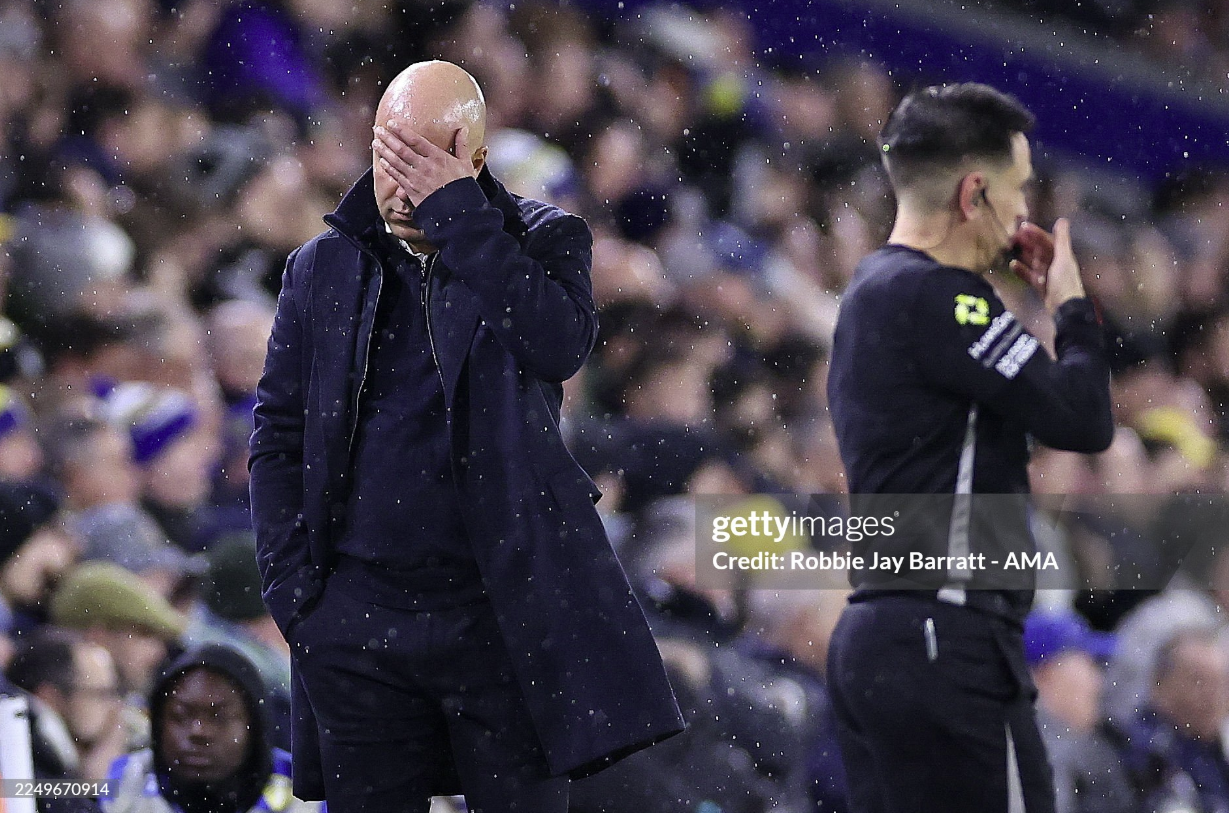
While the media pointed at this unbeaten streak to suggest Slot had steadied the ship, the dressing room was actually imploding. The internal friction finally reached a boiling point when Mohamed Salah was shockingly benched for three straight matches—dropped for West Ham United away, Sunderland at home, and finally Leeds United away.
Following that third consecutive omission and a chaotic 3-3 draw against Leeds in December, the lid blew off completely. Salah went public, accusing the hierarchy and the manager of “throwing him under the bus.” It was a clear reaction to being dropped and blamed for the team’s poor form, making it look like he was the root of the problem. The bitter irony, of course, was that the team’s performances were still terrible without him, proving the bad tactics went way deeper than just their star forward. That eruption completely fractured the relationship between the club’s biggest star and its manager, leading to Salah being shockingly excluded from the traveling squad altogether for the massive Champions League trip to Inter Milan. It proved the unbeaten run wasn’t a recovery; it was a pressure cooker waiting to explode.
Fast-forward to the end of the season, and instead of defending a crown, Liverpool were fighting tooth and nail just for a Champions League spot, with Bournemouth and Brighton among their direct competition for fifth place. Liverpool could easily have secured fourth, and perhaps even finished third with breathing room, had they managed to beat Manchester United. Instead, they failed to step up and took their fate all the way into the final gameweek.
The deep disconnect between the dugout and the club only worsened as the season neared its end, culminating in a highly charged home game against Chelsea at Anfield on May 9th. In that recent, frustrating 1-1 draw, the tactical friction became completely audible. The crowd openly revolted against Slot’s slow, risk-averse build-up play. The distinct, agitated groans and boos from the Kop when center-backs recycled possession instead of transitioning quickly proved that the Anfield faithful were actively rejecting the manager’s philosophy.
This underlying tension finally boiled over again just recently. Following the heavy 4-2 defeat to Aston Villa—the exact match that pushed this Champions League race to the final day—Salah fired a parting shot on social media. Demanding a return to club “standards” and heavily implying a longing for Klopp-era “heavy metal” football, his post was quickly “liked” by several teammates who clearly felt the exact same way. It was a total vote of no confidence from a legend heading for the exit, symbolizing the absolute breakdown of Slot’s second year.
The Verdict: An Inevitable Sacking and the Road Ahead
Liverpool clearly have deep structural problems from top to bottom, but the most critical one right now has finally been dealt with by the board. To not be completely harsh on Arne Slot, it is only fair to acknowledge that he did have to contend with a relentless wave of injuries in his squad that constantly disrupted any hope of tactical consistency.
The most fatal of these blows was Alisson Becker’s multi-month layoff. Forcing Giorgi Mamardashvili into the starting XI during the absolute peak of Slot’s tactical transition stripped the backline of its organizational anchor. Mamardashvili is a brilliant shot-stopper, but his discomfort playing out from the back under heavy pressure directly triggered the defensive panic we saw in those heavy defeats to City and PSV.
But Alisson was just the focal point of a devastating medical crisis that gutted the squad’s newly acquired depth and broke the team’s balance. Jeremie Frimpong was plagued by recurring muscle injuries that continuously halted his adaptation and ruined any tactical continuity down the right flank. Marquee forward Alexander Isak was struck down against Spurs just as he was starting to find his clinical edge, and Hugo Ekitike suffered a severe, long-term injury against PSG that completely starved the frontline of rotation options. When you couple those massive, long-term losses with a non-stop wave of short-term injuries across the squad, the balance of the starting lineup was permanently compromised.
However, even when factoring in that bad medical luck, the absolute tactical drop-off and the inability to properly use a half-billion pounds of healthy talent speaks for itself. You only need to look at the raw data to see the system failed: conceding another goal on the final day brought their total to 53 league goals conceded, marking the worst defensive record Liverpool has recorded in a modern 38-game Premier League campaign.
Yesterday’s decision by the board to sack Slot wasn’t just necessary; it was inevitable. They acted quickly before the 26/27 pre-season starts, ending a run that clearly had no more answers. Now, all eyes are on who will rebuild the broken dressing room and bring back Anfield’s true style of play. As media outlets indicate, Andoni Iraola is the frontrunner for the Liverpool head coach job. Bringing in a manager known for fast, attacking football feels like a clear move to give the fans exactly what they have been asking for—but whoever takes on this massive, expensive puzzle has a huge job ahead of them to fix the mess left behind.